DDOS-ATTACK
This educational script simulates a DDoS attack to help users understand its mechanics, but should not be used for malicious purposes.
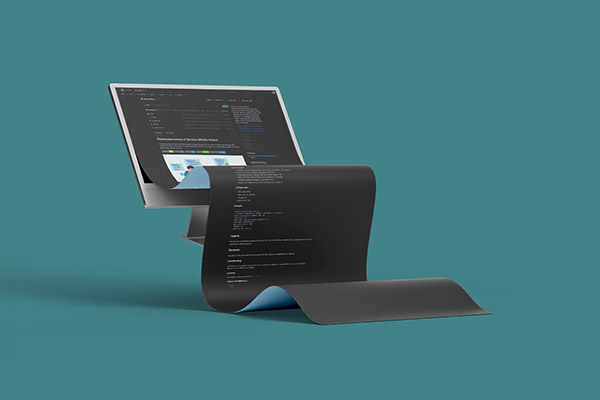
TURN A COMPLEX WORKFLOW INTO A CLEAR, RELIABLE EXPERIENCE.
Create a dependable security tools experience around the need described by the project: This educational script simulates a DDoS attack to help users understand its mechanics, but should not be used for malicious purposes.
A focused implementation using Python keeps the product's core behavior legible, responsive, and maintainable.
Python
A public project destination is available
Repository access is linked from this case study
DECISIONS, NOT DECORATION.
MINIMIZE TRUST
Every boundary is treated as a verification point, with explicit input handling and constrained access.
SURFACE SIGNAL
Important system state remains visible so operators can diagnose behavior without unnecessary friction.
FAIL SAFELY
Recovery paths and guarded defaults protect the experience when data, networks, or dependencies fail.
ENGINEERED AS A SYSTEM.
A modular architecture keeps visual rules, data, and interaction states consistent. Responsive behavior is designed at component level instead of patched at page level.
Director's Notes
Automation-heavy workflow
Focused scripting utility
Python keeps parsing, analysis, and operational automation direct and maintainable.
Multiple viewport contexts
Responsive component system
Interface behavior is defined at component level for consistent mobile and desktop use.
Public-facing product
Progressive interaction model
Core content remains understandable before enhanced motion and client behavior are applied.
A FASTER, CLEARER AND MORE RESILIENT PRODUCT FOUNDATION.
The work is available as a live or published experience, with its delivery path linked directly from this case study.